

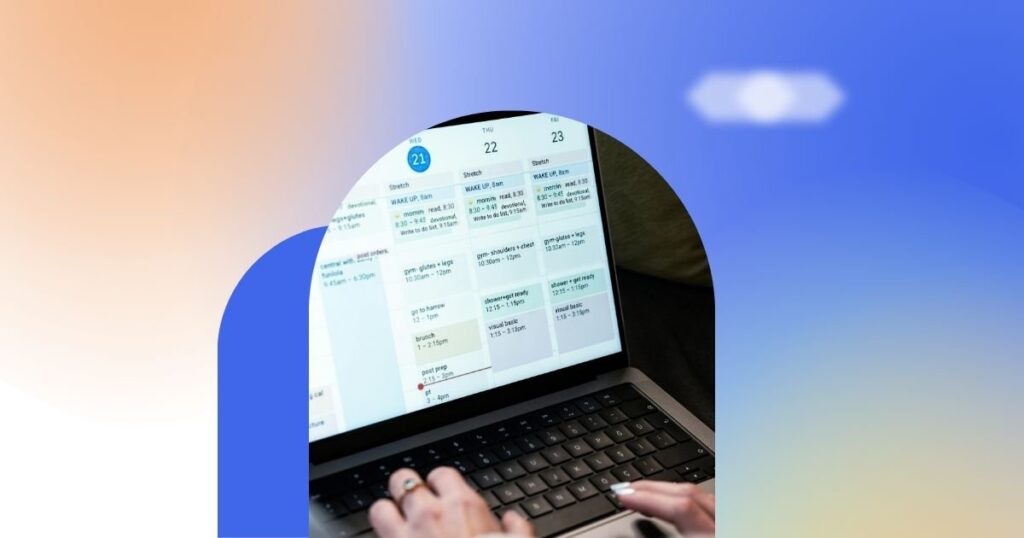





Does your team constantly juggle tasks, struggle to meet deadlines, or waste time figuring out what’s already been done? If so, job scheduling software could be the game-changer you need.
Job scheduling software can help you assign tasks, track upcoming deadlines, avoid scheduling conflicts, and overall manage your team’s workflow efficiently.
Even a small team can benefit from clear and organized task management. Nobody wants to waste time on unbillable hours and crunch-time headaches. And if you’re a solopreneur? Keep both yourself and your clients happy with an uber-organized scheduling system.
In this article, we’ll take a look at the ins and outs of job planning software—key advantages, essential features, and how to choose the best software for your needs.
What is Job Scheduling Software?
Businesses use scheduling software to effectively manage tasks, appointments, and resources. Managers can use job scheduling tools to assign tasks to employees, contractors, or teams.; track progress on multi-step projects; set task dependencies and conditions; receive automated reminders for deadlines or overdue tasks; record work completed and time spent for easier billing; and more.
Job allocation software is essential for various industries, from field service management to project management, manufacturing, and all kinds of small businesses.
It often includes collaboration tools that allow teams to communicate—especially important for teams who operate remotely or from multiple job locations throughout the day. Many tools also offer mobile access through a job scheduling app so you can update while on the go.
Key Features to Look for in Job Scheduling Software
Not every job scheduling software will fit your needs. The right tool can take some time to find and implement. However, you can narrow down the options. Which of these key features do you need?
Task Assignment and Resource Management
- Every software should allow you to assign tasks to specific employees, contractors, or teams, and track their progress. Many can also track not only tasks, but also personnel, equipment, and facilities to keep confusion to a minimum and efficiency to a maximum.
Calendar and Time Management
- A visual calendar or timeline is crucial for tracking appointments, deadlines, and project milestones. Some software includes calendar views or Gantt charts to show the scope of projects across time. If Gantt charts are helpful to your workflow, choose a job scheduling tool that includes it.
Real-Time Updates and Notifications
- Automated notifications and reminders for upcoming tasks or changes to schedules can keep your team informed and reduce the chances of missed deadlines.
Mobile Access
- Mobile access is great for businesses with remote teams or field service workers. It allows employees to view schedules, update tasks, and communicate on the go.
Reporting and Analytics
- You will probably want to find a job scheduler software that can track performance, identify bottlenecks, and help you make data-driven decisions to optimize scheduling and streamline your operations.
Integrations
- Look for software that integrates with other tools your business already uses, such as CRM systems, accounting software, or communication platforms like Slack.
Customizability and Scalability
- If possible, choose a solution that fits your workflow and scales as your business grows.
Benefits of Using Job Scheduling Software
What are the benefits of using job scheduling software?
Improved Organization
- These tools provide a centralized platform for managing tasks, appointments, and deadlines, which improves your level of organization. Teams can easily see upcoming tasks and make sure that nothing slips through the cracks.
Increased Efficiency
- Improved organization equals increased efficiency. Without the usual lag time and confusion of many projects, teams complete more work, increase billable hours, and breathe a sigh of relief.
Better Communication
- Many scheduling tools include features for team collaboration, such as shared calendars, notifications, and real-time updates. This keeps everyone on the same page and avoids the nasty mess of a thousand separate emails and Slack communications.
Real-Time Monitoring and Adjustments
- Scheduling software often includes real-time tracking features, allowing businesses to monitor progress, make adjustments as needed, and quickly address delays or other issues.
Cost Savings
- Effective scheduling adds dollars to the bottom line. It improves efficiency, reduces scheduling errors, and ensures the right people are assigned to the right tasks at the right times.
Use Cases for Job Scheduling Software
Job scheduling software can be applied across a wide range of industries. Here are some common use cases:
Field Service Management
- Companies in industries like plumbing, HVAC, and cleaning rely to this software to manage technician schedules. Some tools allow businesses to assign tasks to technicians, track their location in real time, and handle customer communication, all in one integrated platform.
Project Management
- Teams working on complex projects with multiple moving parts benefit from scheduling software like Asana or Wrike. Project managers can create detailed timelines, assign tasks to team members, and set deadlines.
Employee Scheduling
- Businesses with shift-based operations, such as retail, restaurants, or healthcare, can use software like Deputy or Hubstaff to track employee availability and schedule (or adjust) shifts.
Manufacturing
- It can help manufacturers allocate resources efficiently, track production schedules, and manage equipment downtime.
Best Job Scheduling Software Options
Here’s a look at the top 8 online job scheduling software options available, covering their key features, pricing, ideal use cases, and pros and cons.
1. Asana

Asana offers task management and team collaboration, customizable workflows and task dependencies, real-time project tracking, and integration with third-party apps like Slack, Google Drive, and more. It includes a free version with limited capabilities.
2. monday.com

Another option is monday.com, which offers customizable boards and workflows, automation features for task scheduling, time tracking and reporting tools, and integrations with over 40 apps. Pricing can be expensive for smaller teams.
3. Jobber

Jobber is a great job scheduling software for field service businesses in particular, offering GPS tracking and mobile access, time tracking, scheduling, and client management and invoicing tools with integrations for accounting and payment systems.
4. Wrike

Wrike is an extremely flexible and customizable option best for larger teams or organizations with multiple departments. It offers detailed reporting and Gantt chart capabilities, task and project management, customizations, file sharing, and team collaboration. Smaller teams might not need its capabilities or higher price range.
5. Hubstaff

Hubstaff offers time tracking with screenshots, GPS and location tracking, and employee scheduling and task management, as well as integrations with over 30 apps, but limited project management features. Basic features are free, with alternate pricing for premium and enterprise plans.
6. Deputy

Deputy offers employee scheduling and time tracking, employee communication, mobile access, payroll and compliance tools, and shift planning. It’s best for businesses managing hourly employees, but also has limited project management abilities.
7. ClickUp

ClickUp offers customizable task views (list, board, Gantt chart), time tracking and task dependencies, and flexible tracking and reporting features, plus integrations with key remote working tools such as Google Workspace and Slack. The all-in-one task management system is intuitive, but some features may be overwhelming for new users.
8. Trello

This software offers visual task management using boards and cards, collaboration features with file attachments, checklists, and Power-Ups for integration with other tools. Trello is meant for small teams or individuals who want simple, visual task management and don’t need more robust features. It offers a basic version of its software for free.
Here’s a handy job scheduling software comparison table.

How to Choose the Right Job Scheduling Software for Your Needs
How do you choose the best scheduling software for your business?
Before you do anything else, identify the key features you need. Do you require advanced reporting and task dependencies, or is a simple task list enough? Is GPS tracking key to your field operations?
Consider your team size and budget—but don’t automatically opt for the cheapest option. In the long run, more expensive software that helps you get work done more effectively will pay for itself.
Most software companies offer free trials. Take advantage of these to test the platform with your team and gather feedback.
Frequently Asked Questions About Job Scheduling Software
We’ve answered many common questions about job scheduling software, but here are a few more:
Is job scheduling software suitable for small businesses?
Yes, many job scheduling tools are designed to meet the needs of small businesses. Some options offer free or low-cost plans that can scale as your business grows.
What types of businesses benefit from job scheduling software?
Job scheduling software is useful for businesses in various industries, including service-based businesses (e.g., field services, maintenance, cleaning), project management teams, remote teams, and manufacturing. It’s particularly beneficial for businesses that manage multiple tasks, appointments, or employees at the same time.
What types of jobs can be scheduled using job scheduling software?
Job scheduling software can be used to schedule various types of jobs, including:
- IT tasks (e.g., backups, system maintenance, report generation)
- Business processes (e.g., order processing, billing cycles)
- Manufacturing operations (e.g., machine cycles, production runs)
- Data processing (e.g., ETL tasks, database updates)
- Marketing activities (e.g., email campaigns, social media posts)
Can job scheduling software help with resource management?
Yes, many job scheduling tools include resource management features, allowing you to allocate resources (such as employees, equipment, or time) efficiently.
Does job scheduling software include reporting and analytics?
Many job scheduling software options offer reporting tools that track task completion, employee performance, and project progress.
Is it easy to learn how to use job scheduling software?
Most scheduling software is designed to be user-friendly, but the ease of use can vary by platform. Many offer tutorials and customer support to help users get started.
Is job scheduling software cloud-based or on-premises?
Job scheduling tools can be either cloud-based or on-premises. Cloud-based solutions are more flexible, scalable, and accessible from anywhere, while on-premise solutions offer greater control over security and data privacy.
Learn about virtual real estate assistants.
Streamline Your Workflow with Job Scheduling Software
Whether you’re managing employee schedules, project deadlines, or field service appointments, job scheduling software can make sure your team members stay organized and on track—and offer collaborative features that keep everyone on the same page.
Take the time to explore different job scheduling software solutions to find one that best fits your workflow. You can schedule a free consultation with Wing Assistant to get personalized advice on how to implement the right software for your business, or explore our other services.

Dianne has extensive experience as a Content Writer, she creates engaging content that captivates readers and ranks well online. She stays on top of industry trends to keep her work fresh and impactful. She has a talent for turning complex ideas into relatable stories. When she’s not writing, you’ll probably find her with a crochet hook in hand or working on a fun craft project. She loves bringing creativity to life, whether it’s through words or handmade creations.